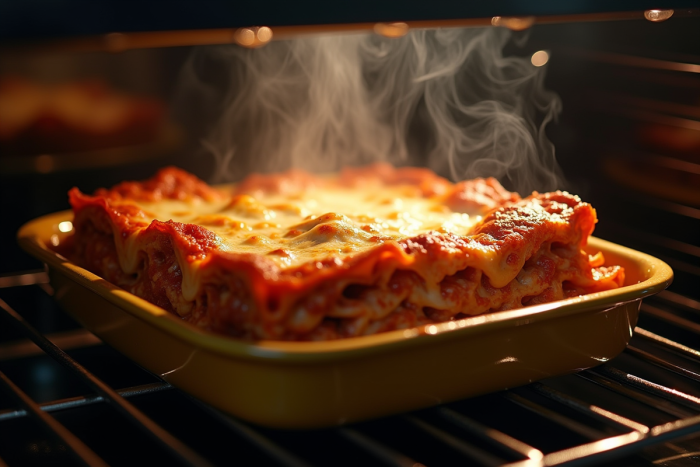
Reheating a dish can alter its texture and taste, sometimes irreversibly. Proteins do not handle high temperatures well, while some foods barely tolerate a second exposure to heat. A seemingly mundane action like microwaving can lead to a significant loss of flavors or unexpected dryness.
For each category of food, specific methods exist to limit these undesirable effects. Tips are available to preserve the initial quality, whether it involves stews, starches, or breaded preparations. Adopting the right techniques ensures a tasting experience close to the original.
Why reheating can alter your dishes: understanding the risks to avoid them better
Reheating a dish is never just a simple formality. As soon as heat is introduced, reactions are triggered, changing the texture and flavor of what was carefully prepared. The slightest inattention to temperature, duration, or chosen method leaves marks. Proteins, particularly those found in meat, contract quickly under heat, sometimes transforming tender flesh into dry, tough fibers. Starches like rice or potatoes lose their creaminess, emulsified sauces separate, and the dish bears little resemblance to its original version.
The microwave, with its speed, often imposes uneven reheating: some corners become scorching, while others remain lukewarm. You end up with a plate where each bite tells a different story. Waves do not penetrate all foods uniformly, exposing them to the risk of drying out, especially for saucy dishes or meat. In contrast, the traditional oven or bain-marie offers a gradual increase in temperature, more respectful of textures and flavors.
Take the case of a gratin dauphinois: there is no question of sacrificing the cream or the golden crust. To reheat a gratin dauphinois without mistakes, some opt for a gentle passage in the oven, while others rely on a sheet of aluminum foil to preserve moisture and tenderness.
Here are some key points to watch for to limit unpleasant surprises when reheating:
- Respect the temperature and duration suitable for each dish
- Choose the method based on the foods
- Avoid repeated microwaving
Opting for a gentle cooking method means preserving what makes a dish valuable: its texture, aroma, and identity. Gaining a few minutes with the microwave can cost dearly in pleasure at the table. Nothing is trivial, even for a simple leftover to reheat.
Practical tips to preserve flavor and texture when reheating your favorite dishes
No one wants to find, at mealtime, a carefully cooked preparation that has lost all its appeal after a too-quick exposure to heat. To avoid this setback, every step counts. Taking your time is key: the low-temperature oven respects the structure of gratin and saucy dishes, where haste would ruin them. For cooked meats, wrapping them in aluminum foil retains their juiciness and limits dryness.
Some recipes require special attention. Potatoes or dishes made with puff pastry do not handle the microwave well: a quick pass in the oven, without excessive heat, restores their original crispness. For stews or pre-prepared leftovers (batch cooking), the bain-marie method allows reheating without damaging flavors or texture.
Here are some concrete tips to preserve the quality of your dishes when reheating:
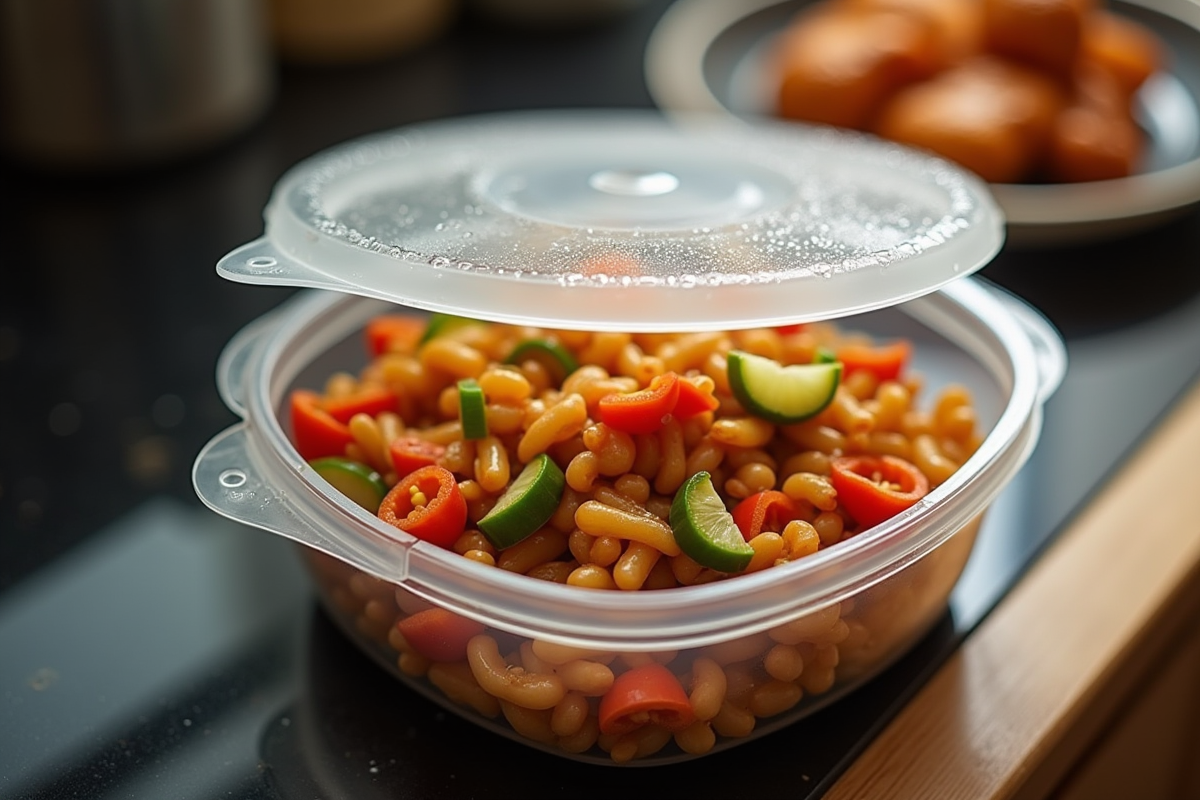
- Add a spoonful of water or broth before reheating, useful for rice or pasta to prevent them from drying out
- Cover with a dome or lid to retain moisture and prevent drying out
- Reheat in small portions: heat then distributes more evenly
Nothing replaces the gentle method when it comes to rediscovering the pleasure of the original dish. Reheating is about respecting what has been cooked, bringing each ingredient back to life. These simple yet precise actions are enough to transform mere leftovers into true culinary reunions.
The next time you open your refrigerator, do not see a leftover to dispatch, but an invitation to rediscover the taste of homemade, intact, as if time had not passed.