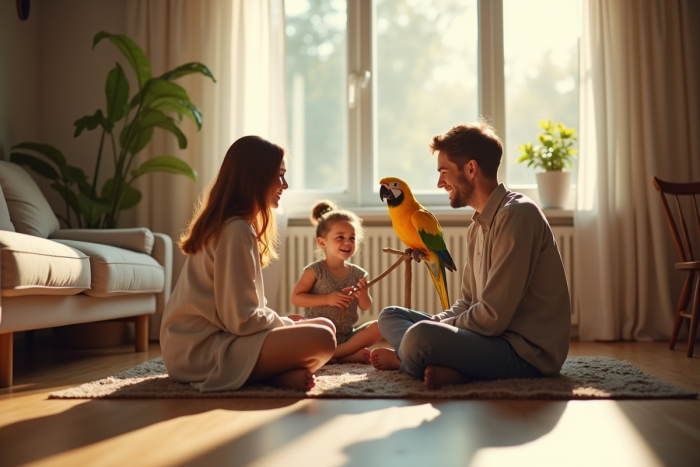
1,500 euros for a parrot, a sum that no longer surprises enthusiasts of rare animals. This figure, raw and straightforward, embodies the entry threshold into the world of talking companions. But behind the amount lies a much broader commitment.
A Gabon grey parrot, famous for its speaking abilities, is often exchanged between 1,500 and 2,000 euros. However, this initial sum only reflects a part of the commitment that comes with adopting an animal of this caliber. Between rearranging living space, initial veterinary visits, purchasing specific accessories, and managing administrative formalities, the actual cost extends far beyond. Permits, health follow-ups, equipment for the bird’s well-being: no one slips through the regulatory net.
On the dog side, the financial landscape varies significantly. Adopting a puppy or an adult animal generally ranges between 200 and 2,500 euros, depending on the breed, age, and reputation of the breeder. However, the purchase price never represents the main expense. The time dedicated to training, socialization, proper nutrition, and physical activity proves crucial for the overall budget, and even more so for the quality of life of the animal and the household.
How much should you budget for adopting and caring for a talking parrot?
Owning a parrot means embracing a truly distinct lifestyle. Buying a Gabon grey or another species capable of mimicking speech is appealing, but this choice brings a series of adjustments and responsibilities that must be anticipated. For an accurate summary, the price of a parrot typically ranges between 800 and 3,500 euros, depending on its origin, age, or rarity. But this purchase is just the first step.
Providing good conditions for a talking animal is not a detail: you need to equip yourself, gather information, and prepare the space. The specific needs that must be addressed from the start include:
- A spacious enclosure designed for the agility and safety of the animal,
- Renewed toys to stimulate curiosity and prevent boredom,
- A varied and balanced diet: fresh fruits, suitable seed mixes, controlled extrudates,
- A natural wood perch, essential for foot health,
- Regular visits to a veterinarian specialized in exotic birds.
Each month, you should budget between 60 and 120 euros to cover food, maintenance, small accessories, and behavior problem prevention. Annual expenses add up for health check-ups, tests, unexpected treatments, or special interventions. Taking out a dedicated pet health insurance remains rare but useful in case of sudden health issues or accidents.
The exceptional longevity of parrots, sometimes exceeding 60 years, profoundly changes the notion of investment: adopting such an animal commits you for several decades. The true budget never boils down to the initial amount but rather to the support throughout the bird’s life. Making room for a parrot that speaks means disrupting routine and accepting to adjust daily to a companion as intelligent as it is unique.
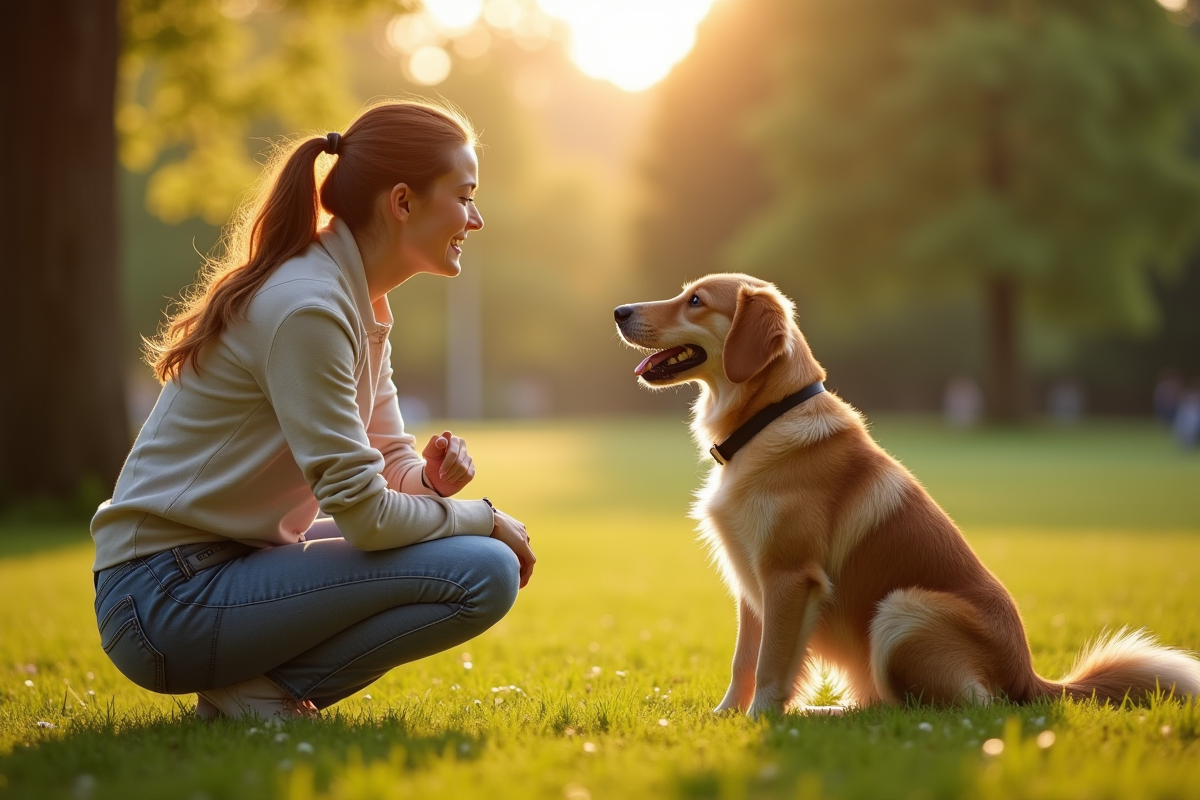
Dog or puppy: essential tips for choosing wisely and successfully welcoming them home
Welcoming a dog or a puppy involves a solid commitment, often extending over fifteen years, sometimes more. The choice is not trivial: breed temperament, physical needs, training requirements—all weigh in the decision. Take the Australian Shepherd: a dog valued for its loyalty and energy, it requires availability and rigor, without letting up on daily learning.
Well before the newcomer arrives, reorganizing the home becomes essential. Setting up a comfortable bed, selecting suitable toys, arranging bowls, collars, and harnesses—all these items are necessary. Socialization also needs to be prepared in advance. A puppy discovers everything, sometimes clumsily: patience pays off, as does observation. To ensure a good start, trainers recommend equipping yourself with the following items:
- Food chosen based on size and age,
- Training pads to initiate housebreaking,
- Safety barriers if necessary, to delineate areas to explore,
- Chew toys to channel overflowing energy.
Opting for dog insurance helps limit veterinary care costs, which are often high in the months following adoption: vaccinations, deworming, identification must be planned. For a puppy, be extra vigilant: require a veterinary certificate, examine breeding conditions, and inquire about socialization from the first weeks of life. Adopting an adult dog is also an option, provided you accept its habits and respect its pace.
The puppy training relies on repetition, consistency, and an encouraging attitude. It’s better to focus on short sessions, value every progress, and avoid excessive punishment. The willingness to educate patiently sharpens over time; the bond is built through daily gestures, following the pace of your animal, step by step.
From the parrot with sharp wit to the loyal dog sharing your journeys, each adoption reshuffles the cards of family life. The result: memorable moments, sometimes compromises, but always a unique adventure, that of an animal that becomes a silent pillar of the home.