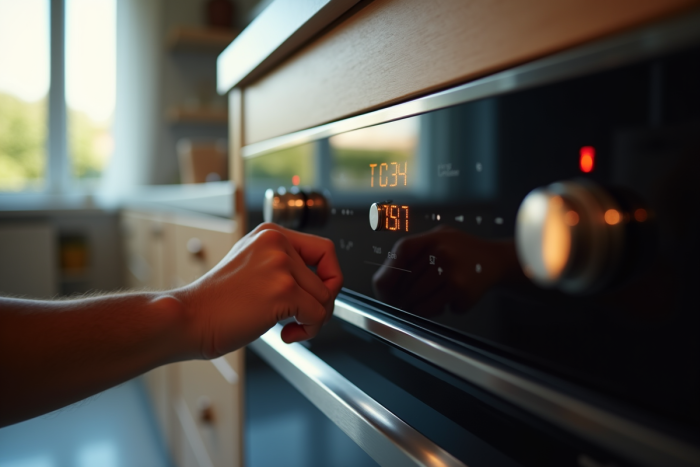
The fan-assisted heat setting only appeared in French domestic kitchens in the mid-1970s. Yet, even today, some models only offer top and bottom heating elements. The temperatures indicated in recipes often differ from those actually reached in the oven. The symbols vary by brand, with no strict standardization.
The difference between the displayed temperature and the actual temperature can reach 20°C. Mechanical and digital thermostats do not always offer the same accuracy. A built-in oven does not necessarily have more features than a countertop model.
What are the different types of ovens and how do they function in daily use?
Each kitchen has its own appliance, and each dish requires an appropriate cooking method. The traditional oven, with its heating elements placed at the top and bottom, appeals to those who favor slow and gentle cooking. This oven excels in preparing soufflés, rising cakes, or dishes that require enveloping and stable heat, without air circulation. Preheating is essential here: expect between 10 and 15 minutes to achieve a uniform temperature, crucial for the success of a risen dough.
The fan-assisted oven stands out due to its even heat distribution, thanks to its fan combined with the heating elements. The result: faster and more consistent cooking, perfect for macarons, puff pastry, or any dish requiring precision and consistency. For this type of oven, adjust accordingly: lower the temperature by 10 to 15°C or reduce the cooking time by about 5 minutes (or a quarter of the time) compared to the traditional oven. This time-saving is contingent on increased vigilance, as each oven has its own subtleties.
The steam oven is appealing for its moisture management. It preserves tenderness and enhances the cooking of fish, vegetables, or bread. The gas oven, on the other hand, is favored for its rapid temperature rise and direct heat, but it requires more attention: the heat circulates less evenly.
To precisely adjust the temperature, turn to the thermostat. Let’s take an example: the thermostat of 8 corresponds to a high temperature, often reserved for searing a leg of lamb or for the golden finish of a gratin. Understanding the differences in operation between these modes opens the door to experimentation, adjustment, and correction. Mastering oven settings requires a fine knowledge of these variations, serving a precise and accurate cooking.
Symbols, thermostats, and tips: everything you need to understand to master your oven settings
The thermostat remains the central reference for managing temperature. To convert, nothing could be simpler: thermostat x 30 = temperature in degrees Celsius. For example, a thermostat 6 corresponds to 180°C, a setting suitable for baking a cake or a tart. This conversion, seemingly basic, actually structures all oven cooking.
The symbols on the oven have their utility: they indicate the chosen mode, whether it is static heat (top and bottom heating elements), fan-assisted heat (with fan), or grill. It is essential to identify these pictograms. Then, adjust the rack position according to the dish: at the top for a well-browned gratin or baked lasagna, in the center to ensure the consistency of cookies and cakes, at the bottom to favor the crust of a pizza or quiche.
The choice of mold also influences cooking. Materials like silicone or Pyrex accelerate heat transfer, while a glass or ceramic mold slows down cooking. Therefore, adjustments are necessary: reduce the temperature, extend or shorten the cooking time depending on the material used. Another point to monitor: the size of the dish. The larger it is, the gentler and longer the cooking must be to achieve a uniform texture.
Here are some concrete guidelines for different foods:
- Chicken: 180°C, 20 to 30 minutes per pound
- Beef medium: 160°C, rare: 200 to 220°C
- Roasted vegetables: 220°C
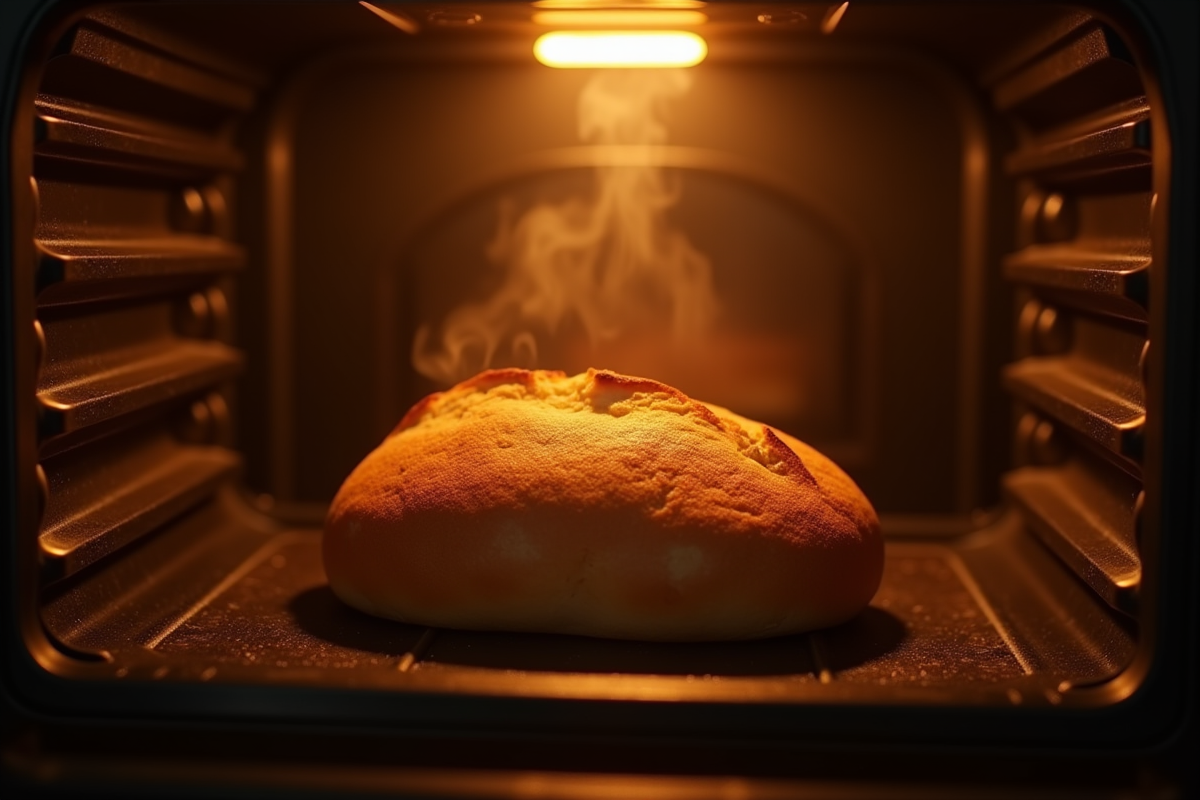
- Bread: 210°C
- Leg of lamb: 240 to 270°C
Every oven has its moods: monitoring and adjustment make all the difference. Observe, test, correct: this is the path to truly successful cooking, tailored to each appliance.
Through trial and error, observation, and daring to make a few deviations, one eventually deciphers the secret language of their oven. And each meal then becomes the ground for regained precision, where technique fades in favor of taste.