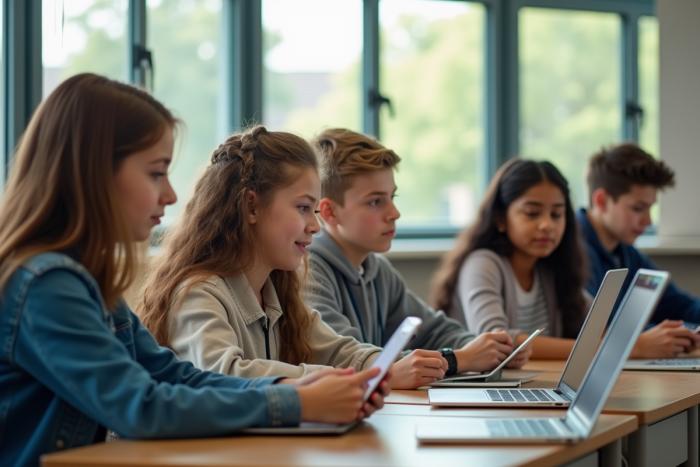
200 million euros on the table, and yet, some whiteboards remain desperately silent. Local authorities spend considerable sums each year to equip schools with brand new platforms and applications. However, in many schools, these tools struggle to establish themselves in daily use. The cause? A lack of training at times, or solutions that don’t quite fit the needs on the ground. The promises of digital technology remain unfulfilled in certain classrooms.
But on the ground, another dynamic is emerging. Locally designed tools are gradually making their way in, supported by networks of committed teachers and community actors. These solutions find their place where needs are concrete, tailored to various educational contexts. Positive feedback is multiplying, and adoption is accelerating in certain areas. A silent revolution, but a very real one.
What challenges and opportunities does digital technology open up for teachers today?
The digital transformation is causing a real shockwave in schools, whether they are in the city center or in rural areas. Today, teaching with digital tools is no longer just about displaying slides on a screen. It goes much further: it involves rethinking the ways of learning, opening the door to inclusion and truly personalized learning experiences.
Thanks to these tools, teachers gain flexibility. They can adjust content, differentiate learning paths, and provide targeted support to students in difficulty or with disabilities. Personalization becomes possible, and pedagogical continuity is strengthened, even in the face of unexpected events.
Innovations like virtual reality, robotics, or gamification transform the daily classroom experience and capture attention. Take the case of a dyslexic student: a well-designed application tailored to their needs can truly change their relationship with school. Locally designed solutions, created by and for educational teams, contribute to building a more open and inclusive school. In this regard, the platform IA85, which focuses on simplified access to webmail while securing exchanges, exemplifies this demand for simplicity and reliability.
In the face of these changes, teachers are no longer just users, but true drivers of the digital transition. Their involvement, alongside students and families, helps to establish a climate of trust and nurture a culture of digital citizenship. Training, exchanging, experimenting: these are now levers for collective success, at both the institutional and territorial levels.
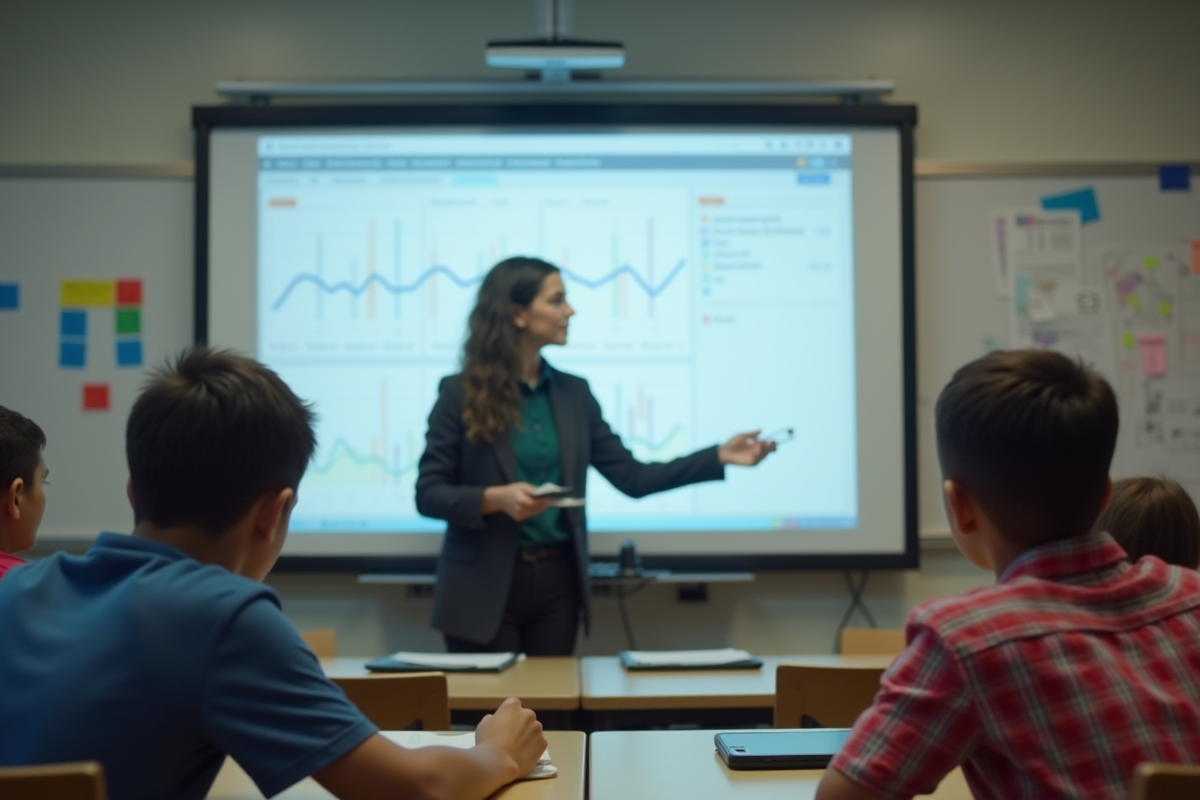
Overview of essential local solutions to enrich pedagogical practices
To meet the concrete needs of classrooms, the offer of local digital tools has expanded. These solutions, designed as close to the ground as possible, facilitate user adoption, enhance data security, and adapt to the realities of educational teams. It’s impossible to mention everything, but some systems have emerged as references today.
Here are some examples that illustrate the diversity of French initiatives:
- Numih France offers institutions a catalog of modular services, backed by a shared service center for EPLE. This collective approach allows for resource pooling and optimizes access to digital tools.
- Myscol focuses on the daily management of middle and high schools, with an intuitive mobile interface. The application centralizes data, streamlines communication, and allows for individualized pedagogical tracking.
- Cantoo Exams targets students with special educational needs, providing them with a secure environment to take exams under the best conditions.
- Ridisi, Dédys, and Story Play’R provide concrete answers to pedagogical differentiation and remediation, contributing to a more inclusive school.
- Educational robotics and virtual reality are making their way into classrooms through devices like Buddy, the emotional companion robot or Virtual Stone, offering immersive and differentiated experiences.
Other examples also deserve mention. Platforms like Beegup energize the oral practice of languages and encourage virtual mobility. Tools like I create my teaching materials or FizziQ Junior pave the way for co-designing resources in fab labs or scientific experimentation, from primary to high school. These initiatives, far from being uniform, draw their strength from local adaptation and collective creativity. They enrich school life, rooted in the reality of the territories.
Ultimately, while digital technology transforms schools, it is the local actors who shape its contours. Far from the effects of announcements, success is played out in classrooms, where innovation takes root and is passed on, day after day.