
A hospital procedure frozen in time? That no longer exists. The amount of data is exploding, and every department must cope with the need to cooperate tirelessly. However, from one hospital to another, the emphasis placed on digital technology still varies, even as the regulatory framework tightens.
This lack of uniformity slows down the entire patient care journey and makes daily management more challenging. Yet, some platforms and software show a concrete impact on internal organization. Healthcare professionals, faced with a plethora of technological offerings, must juggle systems that communicate poorly, confidentiality imperatives, and tools that are rapidly evolving.
What digital tools are transforming the functioning of hospitals today?
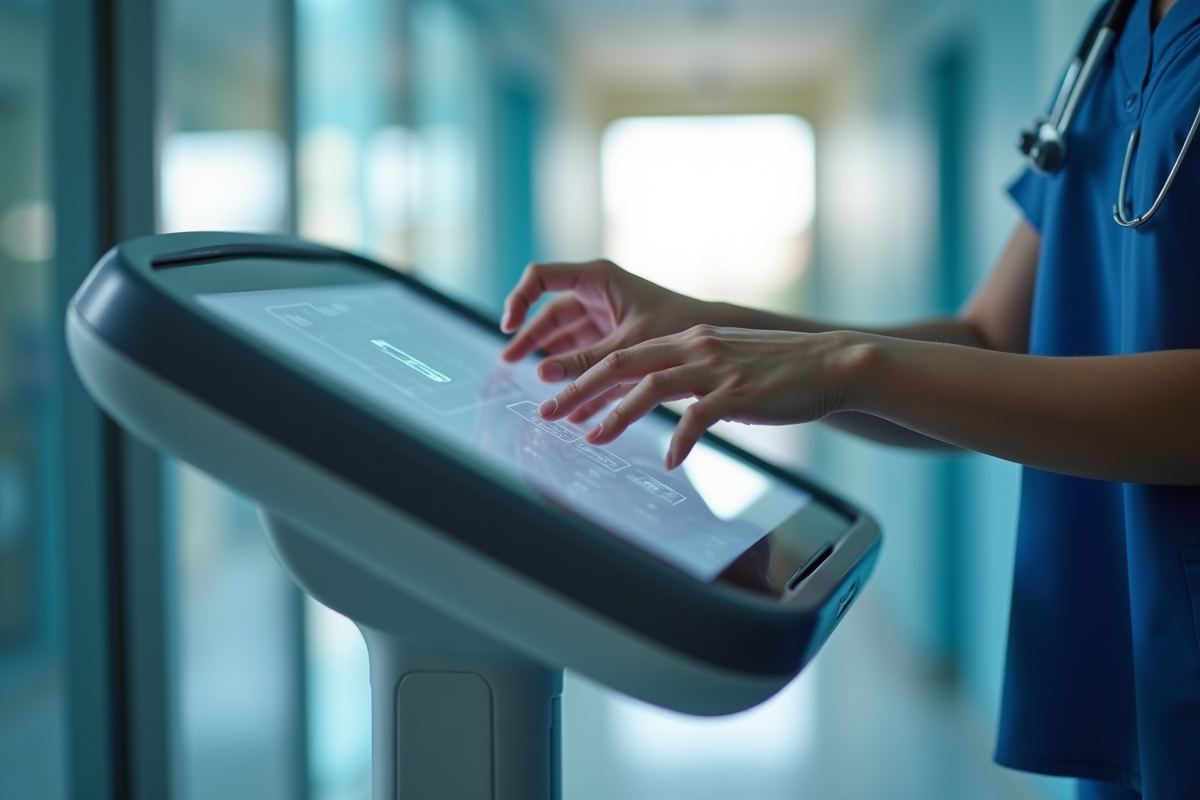
Today’s hospital is built on the rapid flow of information and the rise of digital transformation. On every floor, digital tools are shaking up habits. The electronic patient record, at the heart of the hospital information system, aggregates medical history, simplifies access to past records, and allows for responsive and tailored care at every moment. For hospital management, integrated modules facilitate resource planning, bed management, and team coordination: all cogs that gain in efficiency.
The secure messaging system is becoming essential. Take Zimbra CHPC: this system, presented in the Planet X Tech guide, embodies the demand for confidentiality. Exchanges between healthcare professionals are controlled, and data leaks are limited. The rules are changing; security is no longer negotiable.
Artificial intelligence is now entering the management of flows, diagnostic assistance, and file analysis. It signals risks, guides decisions, and anticipates needs. Digital health is becoming embedded in daily life, transforming both work methods and the relationship with the patient. The patient can directly access their file, communicate via dedicated platforms, and thus becomes an active participant in their journey.
Here are the pillars of this digital transformation taking place within healthcare facilities:
- Electronic patient record: for impeccable medical traceability
- Secure messaging: protected exchanges, reserved for professionals
- Resource management tools: to adjust staff and infrastructure in real-time
- Artificial intelligence: a growing support for decision-making and anticipation of needs
The rise of digital transformation in the hospital sector requires continuous adaptation. The integration of digital technology into routine disrupts governance, evolves practices, and changes expectations for both healthcare providers and patients.
Concrete impacts on hospital organization: towards smoother and more collaborative management
Hospital information systems are now the foundation of activity within the hospital service. Thanks to digital transformation, planning and human resource management gain in precision: mobility of caregivers, better task distribution, refined monitoring of staff. Schedules, once a source of anxiety, now synchronize immediately, disruptions diminish, and unforeseen events are managed more calmly.
Data protection remains a priority. In the face of increasing cyberattacks, compliance with GDPR is imperative. Exchanges via secure health messaging maintain confidentiality and strengthen trust. Patients, in turn, have a structured health space, and the traceability of medical acts improves significantly.
Cooperation is intensifying, and boundaries are gradually fading. Patient data, transmitted between departments, accompany the patient’s journey. The hospital constantly adjusts the activity of units, distributes the workload, and responds more quickly to urgent situations.
To illustrate these developments, here are some key points worth highlighting:
- Resource planning synchronized to the minute
- Continuous strengthening of IT security
- Increased traceability of medical interventions
- Rapid and confidential exchanges between healthcare professionals
The digital hospital is no longer a gamble: it is asserting itself, reinventing itself, and redefining medical practice every day. The transformation is just beginning, and the next advancement could very well come from a team experimenting, a department daring to innovate, or a patient who, one morning, checks their file and takes control of their own health.