
Legal streaming platforms now dominate the French digital landscape, capturing over 80% of consumption according to the CNC. Yet, far from fading away, illegal downloading persists with unexpected vigor. Increased surveillance by Arcom, a chain of sanctions: nothing seems to work, resistance is organizing, ready to challenge certainties.
Illegal downloading in 2025: where do we really stand against repression?
In 2025, the fight against piracy has taken on a new scale. Widespread blocking orders, internet service providers required to cut off access to contentious sites, and alerts from Arcom sent in cascade: the means are plentiful. The Paris judicial court is multiplying decisions to defend copyright. Yet, reality is stubborn: piracy does not disappear, it transforms. Practices shift, evolve, adapt to each new restriction.
To navigate under the radar, many internet users are betting on VPNs. These tools mask the IP address but do not guarantee impunity. Behind the apparent anonymity, a single misstep is enough to attract attention. On platforms like Torrent 9, the illusion of security can be costly: legal action, recovery of personal data, tracking by rights holders. The fight against illegal IPTV and sharing networks is intensifying, as France doubles down on efforts to lock down the distribution of protected content.
The most significant changes are seen in recent usage:
- the rise of VPNs to bypass barriers set up on certain sites,
- the shift of exchanges to private or semi-closed spaces, less exposed to scrutiny,
- the use of alternative networks where file sharing becomes more discreet.
The landscape has changed: every attempt at illegal downloading leaves traces, scrutinized by internet service providers and judicial authorities. The line between personal use and legal infringement is becoming blurred, as surveillance measures become more sophisticated. Those who persist in circumventing blocks face increased risks: legal proceedings, fines, or even criminal sanctions. The defense of personal data now intersects with the fierce struggle for intellectual property, and no one can claim to navigate these front lines without issues.
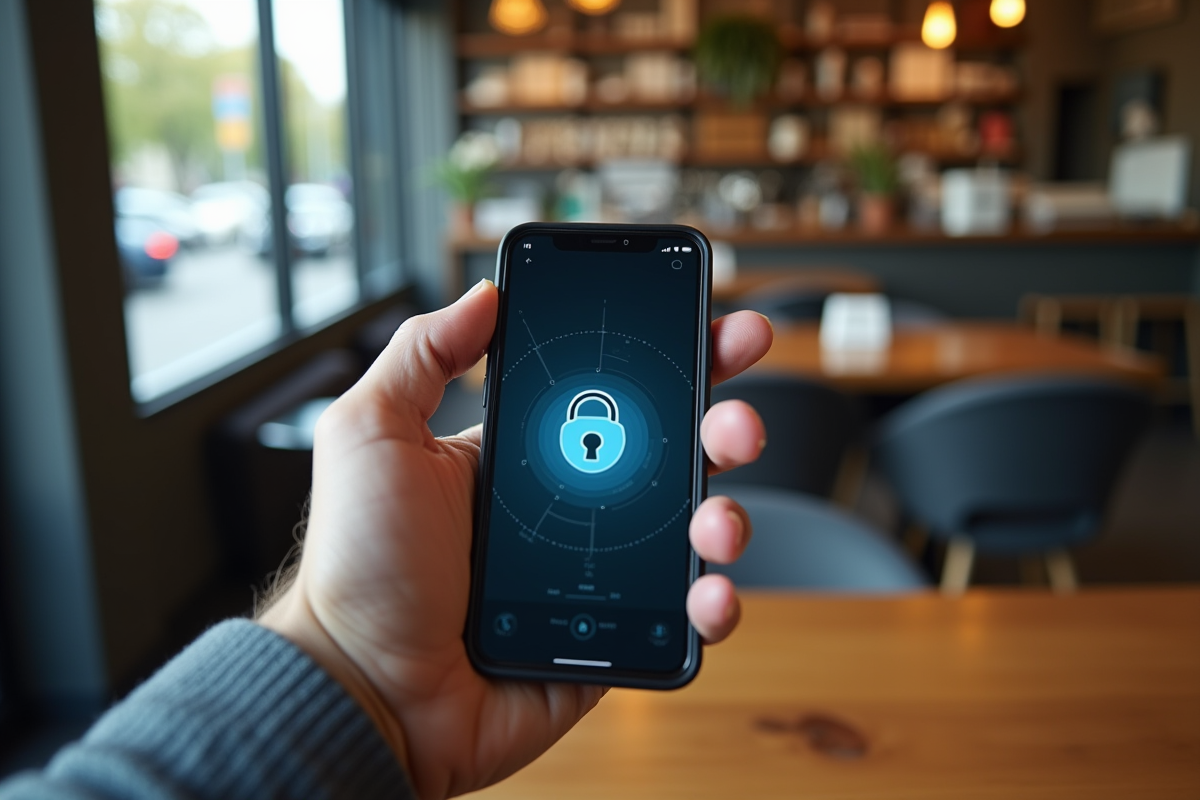
What alternatives are there to access favorite content without risking trouble?
However, the thirst for content does not diminish. Internet users explore, compare, and seek the simplest and most reliable path. Streaming platforms are becoming essential: varied catalogs, quick access, quality guaranteed. Now, a simple subscription opens all doors, without detours or anxiety. Movies, series, music, video games: the legal offering has expanded, supported by solid agreements between creators and distributors. Even those who avoided monthly subscriptions find new flexibility.
Here are the main legal solutions that stand out today:
- On-demand streaming: technology allows for instant viewing of movies, series, or documentaries on any device, without location or time constraints.
- Video games: cloud gaming ends dubious installations. With just a few clicks, players access new releases without downloading or risk.
- Music: recognized platforms offer secure listening, respectful of artists, with catalogs that continue to grow.
The appeal of legal solutions lies in their accessibility and the quality offered. Creators are no longer compensated at the user’s expense: everyone benefits, far from risks and false hopes. Sanctions are tightening, but legal alternatives are becoming an obvious choice for those who want to enjoy their favorite works peacefully, without a shadow on the horizon.