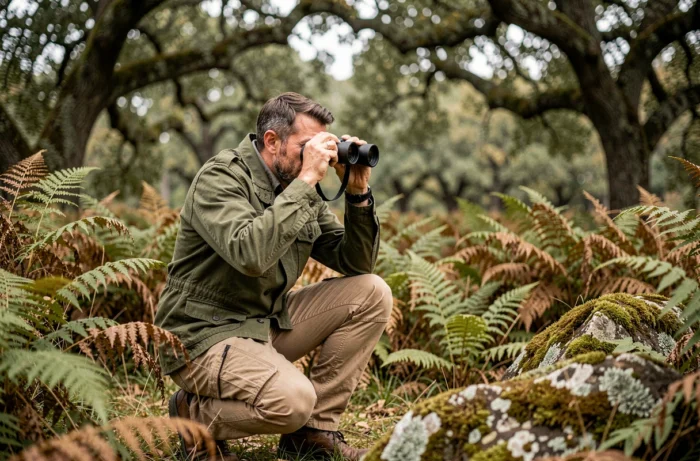
Observing a bird of prey in flight, understanding why a cat purrs, or discovering that some reptiles regulate their own body temperature: the animal world offers a boundless learning ground. This guide is aimed at enthusiasts who want to go beyond mere admiration to acquire concrete insights into animal behavior, recent French legislation, and the forms of connection between humans and animals that are developing today.
Legal Status of Animals in France: What the Law Really Recognizes
Since the reform of the Civil Code in 2015, animals are recognized as living beings endowed with sensitivity. Prior to this date, French law classified them as movable property, just like furniture or a vehicle.
This recognition has practical consequences. Penalties for mistreatment have been strengthened, and judges now have a clearer framework to rule on the custody of an animal during a divorce or neighborhood dispute.
Law No. 2024-317 of April 8, 2024, known as the “aging well” law, created Article L.311-9-1 of the Social Action and Families Code. This text guarantees residents of medical-social establishments the right to welcome their pets, unless otherwise advised by the social life council.
A decree dated March 3, 2025, specifies the conditions: a veterinary certificate of less than three months, care responsibilities taken on by the resident, and exclusion of dogs from dangerous categories.
For enthusiasts, this legislative trajectory shows that French society is gradually integrating the human-animal relationship into areas where it was previously absent, including health and aging. Delving deeper into animals on Amazing Pet Place allows for a better understanding of the diversity of species affected by these developments.
Animal Behavior: Three Mechanisms Enthusiasts Should Understand
Have you ever noticed that a dog circles around before lying down? This behavior, inherited from its wild ancestors, served to flatten the grass and check for the absence of predators. Understanding these reflexes changes the way we interact with an animal.
Thermoregulation in Reptiles
A lizard that settles on a warm rock is not tanning. It adjusts its internal temperature by moving between shaded and sunny areas. This mechanism, called behavioral thermoregulation, explains why a terrarium must offer a thermal gradient (a warm side and a cool side).
Chemical Communication in Felines
Cats deposit pheromones by rubbing their heads against furniture or a leg. This facial marking signals a secured territory. A cat that stops marking its environment may be expressing stress or a change in its living situation. Recognizing this signal allows for intervention before behavioral issues arise.
Formation Flying in Migratory Birds
Each bird benefits from the suction created by the one in front of it, significantly reducing its energy expenditure. The individuals alternate the lead position, distributing the effort across the entire group. This cooperative mechanism fascinates both ornithologists and aerodynamic engineers.
Animal Mediation: A Therapeutic Use on the Rise
Animal mediation involves integrating an animal into a care or support protocol. The animal is not just a visitor: it participates in sessions supervised by a trained professional.
Since the “aging well” law of 2024, animal mediation has widely spread in nursing homes. Dogs, as well as llamas, participate in regular workshops with residents suffering from cognitive disorders or social isolation.
Why llamas? These animals have a calm temperament and a natural curiosity towards humans. Their size commands respect without generating fear, and their soft fur invites contact. Feedback from establishments that conduct these sessions indicates an improvement in resident engagement and a reduction in episodes of agitation.
- Canine mediation remains the most common: dogs are trained to stay calm in hospital settings and respond to specific commands from the facilitator.
- Equine mediation uses the horse as a partner in motor skills and trust exercises, particularly with individuals with disabilities.
- Mediation with small animals (rabbits, guinea pigs) is preferred for children and individuals who are apprehensive about large animals.

Species Conservation in France: A Concerning State of Affairs
According to data from the Ministry of Ecological Transition, the conservation status of habitats and remarkable species continues to deteriorate in France. This trend affects both marine and terrestrial environments.
Animal enthusiasts who wish to go beyond observation can get involved concretely. Eco-pasturing, for example, uses sheep, goats, or donkeys to maintain green spaces without resorting to machines or herbicides. This practice incorporates strict animal welfare requirements: appropriate feeding, regular veterinary monitoring, and minimum space per animal.
Another lever involves participation in citizen science programs. Counting birds in your garden, reporting the presence of a protected species on a dedicated app, or joining a local naturalist group are accessible actions that directly feed scientific databases.
- Bird counting programs mobilize thousands of volunteers in France each year and produce data used by researchers.
- Reporting invasive species (Asian hornet, Florida turtle) helps authorities map their spread and adapt management plans.
- Local naturalist associations often offer free field outings, accessible to both beginners and experienced observers.
The world of animals is not limited to wonder. Understanding their legal status, analyzing their behaviors, and participating in their protection transforms a passion into concrete commitment. The next species you observe in your garden or during a hike likely deserves a little more time and attention.