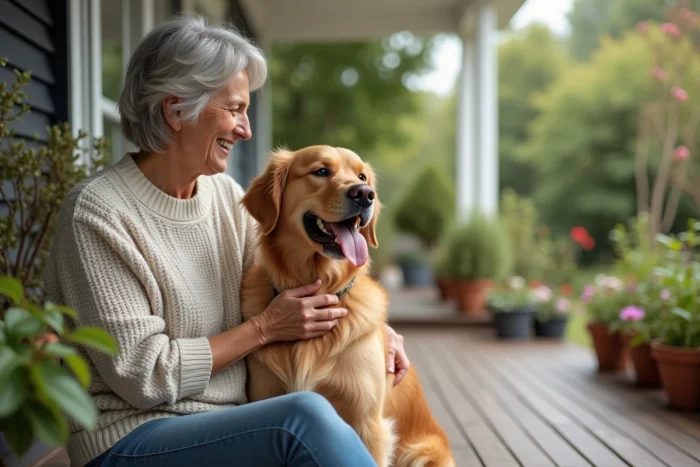
In 2023, a study conducted by the French Veterinary Association revealed a striking figure: nearly one-third of pet dogs suffer from issues caused by an unbalanced diet or lack of exercise. Too often, the repetition of official advice does not prevent mistakes; they persist even in the most vigilant families. Some habits, meant to be reassuring, end up being harmful: excessive vaccination, over-cleaning, confining the animal to an excessive hygiene routine… In practice, veterinarians are seeing new problems arise, resonating with urban life, the evolution of lifestyles, and the variety of breeds welcomed into homes.
What the latest news reveals about dog health and balance
Faced with the multitude of breeds and fragmented lifestyles, owners often fumble between contradictory messages and deeply ingrained habits. Signs of distress sometimes go unnoticed: a change in rhythm, decreased appetite, persistent fatigue. Behind these details, an animal’s daily life can tip over; every signal should raise alarm. Relying on standardized advice or blindly following a trend means ignoring the uniqueness of each dog and the reality of its life.
It becomes essential to pay adjusted attention: what suits an energetic puppy has nothing to do with the routine of a senior dog. A good balance means staying attentive and being ready to disrupt routines whenever the need arises. Changing walking routes, observing the animal’s reactions, adjusting care according to the weather or season is to adopt a truly tailored approach.
Three attitudes make vigilance much more accessible in daily life:
- Making veterinary appointments based on the actual condition of the animal rather than following a rigid schedule.
- Varying walks, being attentive to the dog’s low energy as well as its desires to explore.
- Readapting prevention against parasites and discomfort according to humidity, heat, or frequent walks.
For those seeking practical examples and proven tips from the field, dog articles on Actu Animaux compile feedback from experiences, stories from owners, and recommendations based on everyday reality. Ignoring or delaying a visit to the veterinarian in the face of unusual distress exposes one to many complications.
What daily habits truly promote your dog’s well-being?
Spotting the slightest difference: a hesitant step, a dull coat, a fleeting redness in the ear. Every sign counts. Acting without delay is stopping the problem before it escalates.
Feeding is built without improvisation. An appropriate ration, fresh water, scrutinizing the leftovers that seem harmless but disrupt the body. These simple gestures forge vitality.
The same sequence of walks, games, or locations tires out faster than one might think. Innovating, surprising, stimulating the dog’s sense of smell or agility: this is how to rekindle its curiosity and enthusiasm, and strengthen the bond with its owner.
Remembering these few daily reflexes can transform vigilance into a useful habit:
- Meticulously examining the coat, ears, and paw pads upon returning from each outing. Many small problems go unnoticed without this minute of attention.
- Reacting immediately to any discomfort or unusual marks to prevent the issue from worsening over time.
- Planning veterinary consultations now, before being caught off guard by unforeseen circumstances or forgetfulness.
Preparing one’s home also contributes to animal well-being: the space must remain clean and safe, and each dog should easily find a quiet corner. Slippery stairs, toxic products within reach, and unsuitable flooring should be monitored, especially as the dog ages.
Practical tips for nurturing the bond, season after season
With the changing seasons, habits must evolve. In winter, caution is necessary regarding salt, frost, and cold. Shortening walks in extreme cold or thoroughly drying the coat after a walk becomes a reflex to adopt.
When the sunny days return, pollen emerges and ticks proliferate. Increasing brushing sessions, monitoring for irritations, and checking the skin after each return from the park or garden helps limit unpleasant surprises.
In summer, it’s essential to prioritize freshness and schedule outings during the cooler hours. The risks associated with heat leave no room for improvisation. In autumn, vigilance extends to mushrooms, humidity, and the resurgence of parasites. To remain effective throughout the year, here are the actions to prioritize:
- Regularly searching green spaces to remove any suspicious elements and thoroughly drying the animal after rain.
- Adapting the anti-parasitic treatment to the climate and confidently relying on the recommendations of animal health professionals.
- On bad weather days, offering educational games or object-finding activities indoors can spark the dog’s enthusiasm, even while sheltered.
Caring for one’s dog means being willing to revisit routines according to the weather, the animal’s age, and the household’s rhythm. It is in the details of each gesture that trust is woven. As evening falls, a simple exchanged glance reminds us that this silent pact, renewed day after day, shapes much more than mere cohabitation.